
How to Choose an Interior Design Style Without Feeling Overwhelmed
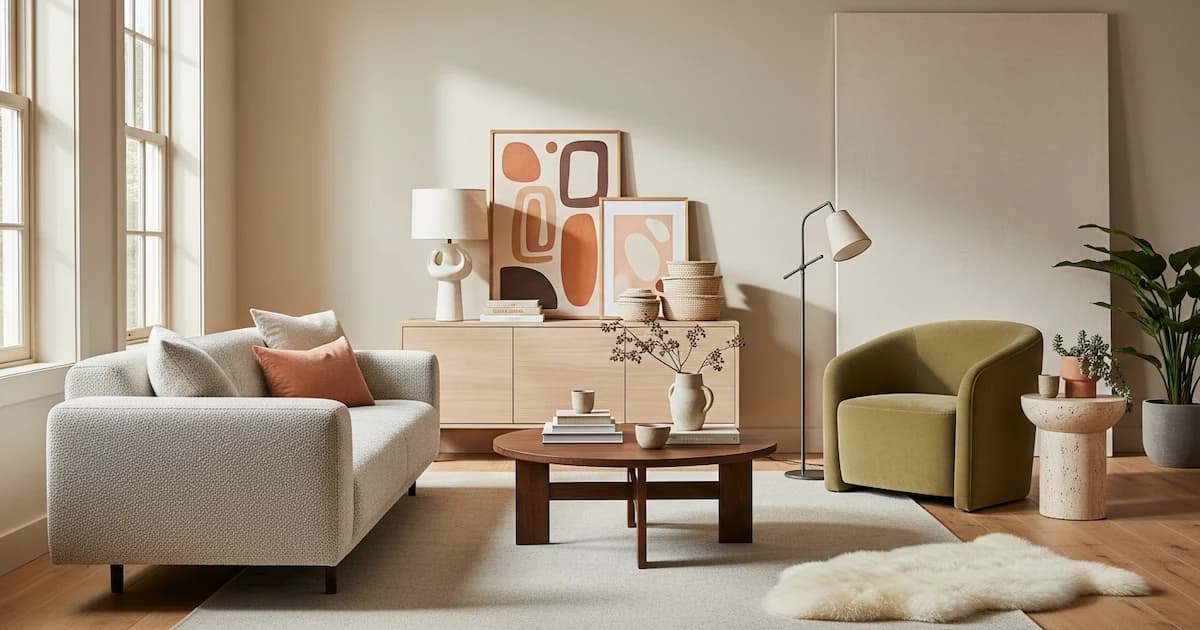
Choose an interior design style by identifying your preferences, priorities, and reference patterns instead of chasing labels.
Look for patterns in what you already save and like
Most people do not need more inspiration. They need to notice the patterns in the inspiration they already have. Review the rooms you have saved and ask what repeats: colors, materials, shapes, light quality, furniture profiles, or emotional tone. If you already know you like warm minimalist interiors, you'll often spot very consistent patterns early on.
Those repeated signals are more useful than broad labels because they reflect your genuine preferences rather than a trend category.
Translate personal taste into design decisions
Once the patterns are clear, turn them into choices. A preference for calm spaces might mean fewer contrasts and softer tones. A preference for more expressive rooms might mean bolder art, deeper color, or sculptural furniture.
Style becomes easier when it is grounded in specific decisions about layout, palette, materials, and atmosphere.
Treat style labels as shortcuts, not rules
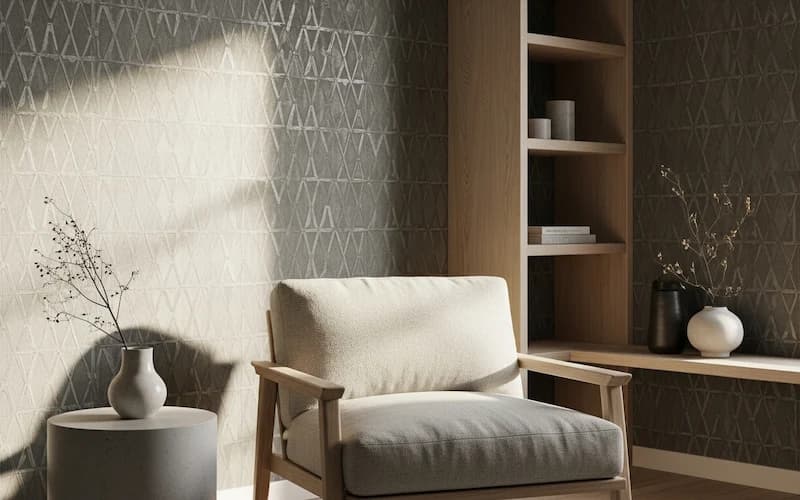
Scandinavian, modern, rustic, Japandi, industrial, and traditional can all be useful reference points, but they should not become constraints. If you're drawn to Scandinavian bedroom design, for example, you can borrow the parts that fit without locking yourself into one label. The most compelling homes borrow selectively instead of following one label perfectly.
The best style for your home is the one that supports how you want to live and how you want the rooms to feel every day.
Seeing a style in your own room makes the decision easier. Learn how AI room visualization shows furniture and decor on a photo of your space.
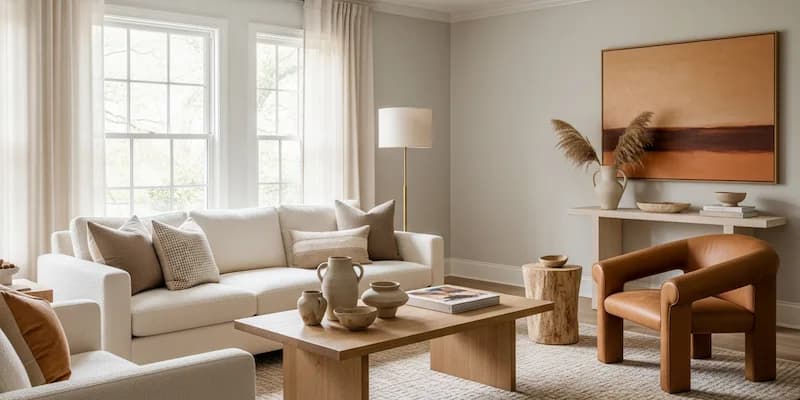
Explore style directions visually and find the one that fits your home best.
Learn more about AI room visualization →